Project planning guide
Acid vs. Water-Based Concrete Stain
Choose the finish for your slab and the look you want. Compare acid and water-based stains, then use an on-site sample to make the final color decision.
Content updated
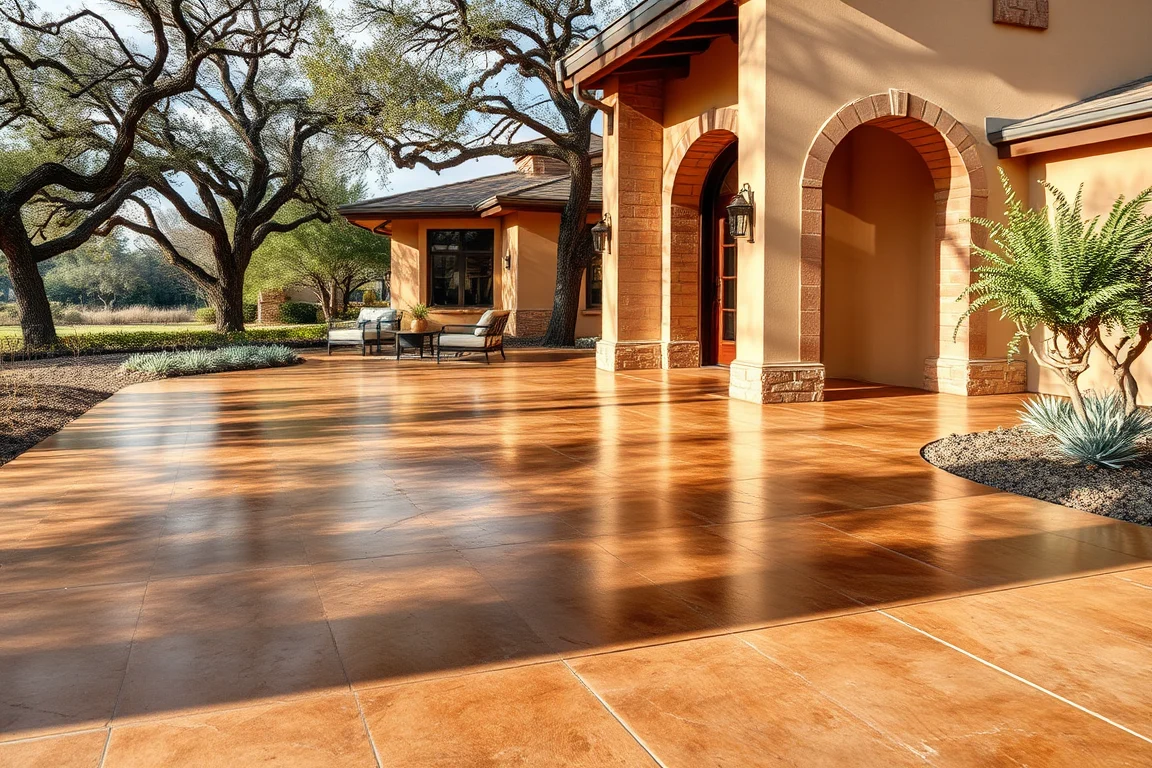
Acid-reactive stains and water-based color systems create different effects. Choose by the actual slab and product, not by a promise that one category is always better.
Compare the finished system
| Choice | Appearance goal | Main question |
|---|---|---|
| Acid-reactive stain | Variegated color influenced by the concrete | Will this slab react as expected? |
| Translucent water-based color | Color with underlying character visible | What preparation and sealer are specified? |
| Opaque color coating | More uniform coverage | Is it compatible with the surface and use? |
| Overlay plus color | New decorative surface layer | Is the substrate suitable and stable? |
Test where it matters
Use a representative test area, including a repair or different pour if relevant. Judge the result with the proposed sealer. A perfect sample on new concrete does not establish what a patched patio or adhesive-marked interior floor will look like.
Compare the maintenance
Ask about cleaners, future resealing, traction, and repair visibility. The manufacturer’s sealer guide identifies useful selection factors. For work in sunny San Antonio yards, review product application limits and actual surface conditions before scheduling.
Compare preparation costs fairly
An inexpensive coloring step can sit on top of extensive stripping or grinding. Use the budget worksheet to show preparation and extras separately when they are excluded from the installed rate.
Use these guides to plan your project. Your property, chosen products and installer’s assessment determine the work. About this site.